By rotating his lower arm clockwise from a downward-facing to left and upward right before contact, he generates closed-chain torque. This replicates a skater’s unweighting mechanics, allowing him to bypass the backswing lag, disguise his intentions, and micro-adjust his paddle face to send the ball virtually anywhere.
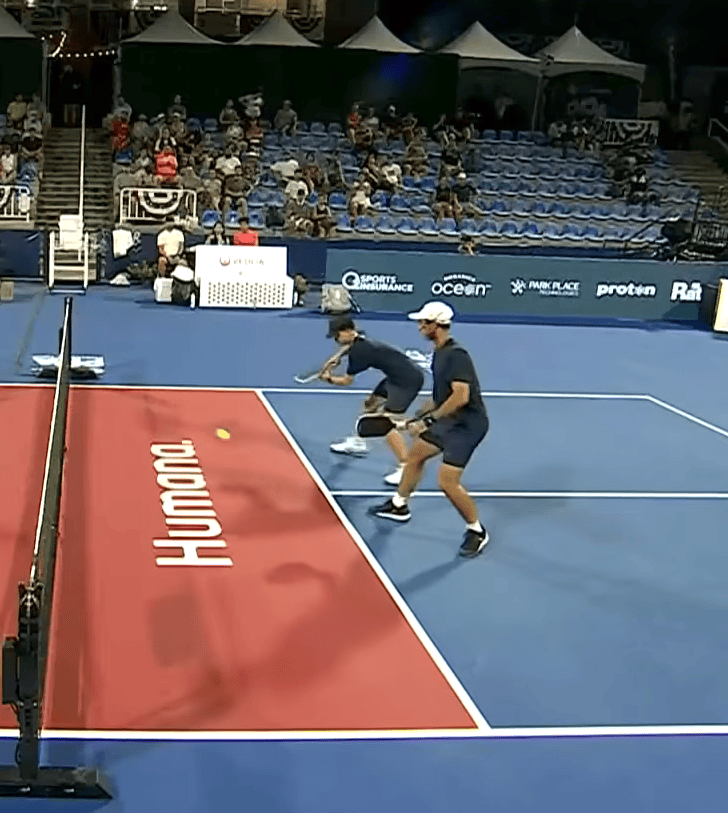
That skateboarding foundation is precisely what gives his game its edge.
Skipping years of rigid tennis coaching allowed him to build a movement vocabulary from scratch, treating the paddle like a natural extension of board control. That street-sports instinct for unweighting, timing, and core torque is why his style looks and functions entirely differently than anything else on the professional tour.
The Evolution Away from Slow Rallies
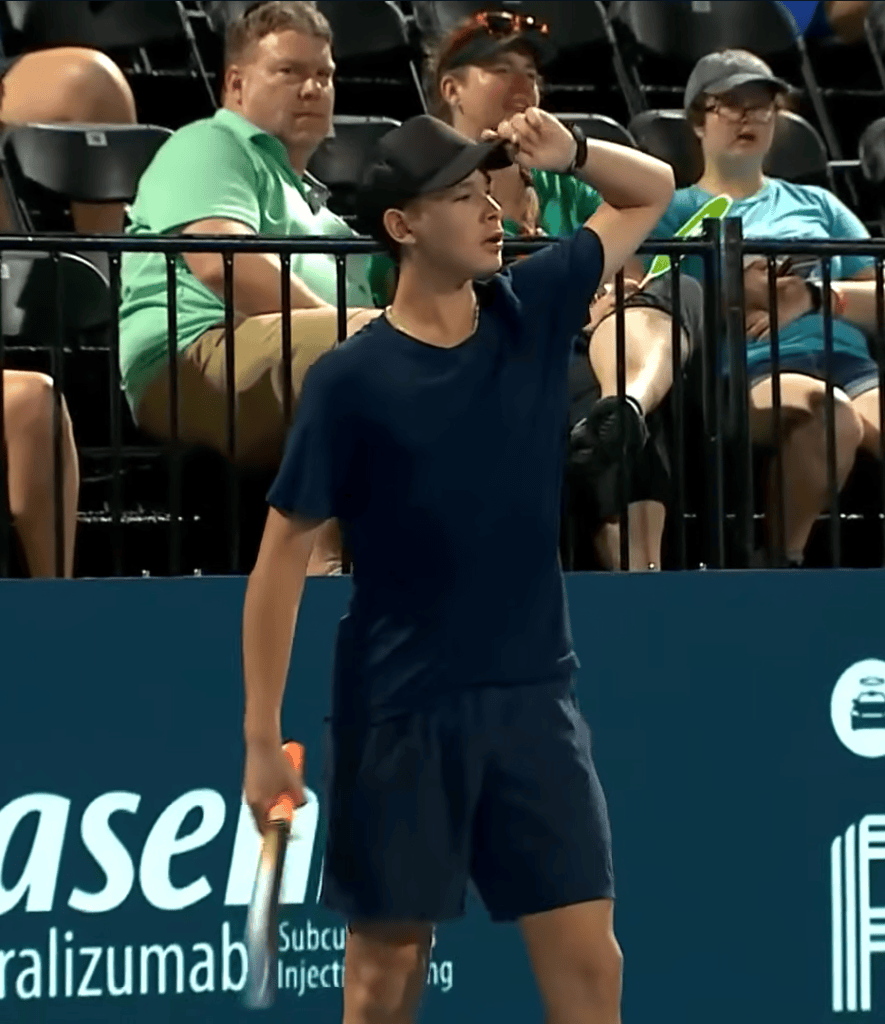
The traditional style of professional pickleball – defined by patient, low-power, extended dink battles and predictable procedural resets – is actively becoming obsolete. As younger, explosive athletes enter the circuit with raw power, hyper-aggressive speed, and advanced trickery, playing safe has become a liability. Matches are shifting away from slow, methodical chess format into high-velocity firefights where points end in seconds because the sheer offensive pressure leaves no room to sustain long, peaceful rallies.
JW’s Evolution Into the Next Level
Pairing with a dynamic, high-upside youngster like Tama frees JW from the burden of carrying a traditional, conservative partner. It allows him to lean entirely into raw experimentation, aggressive court coverage, and unexpected aerial moves like his signature Ernes.
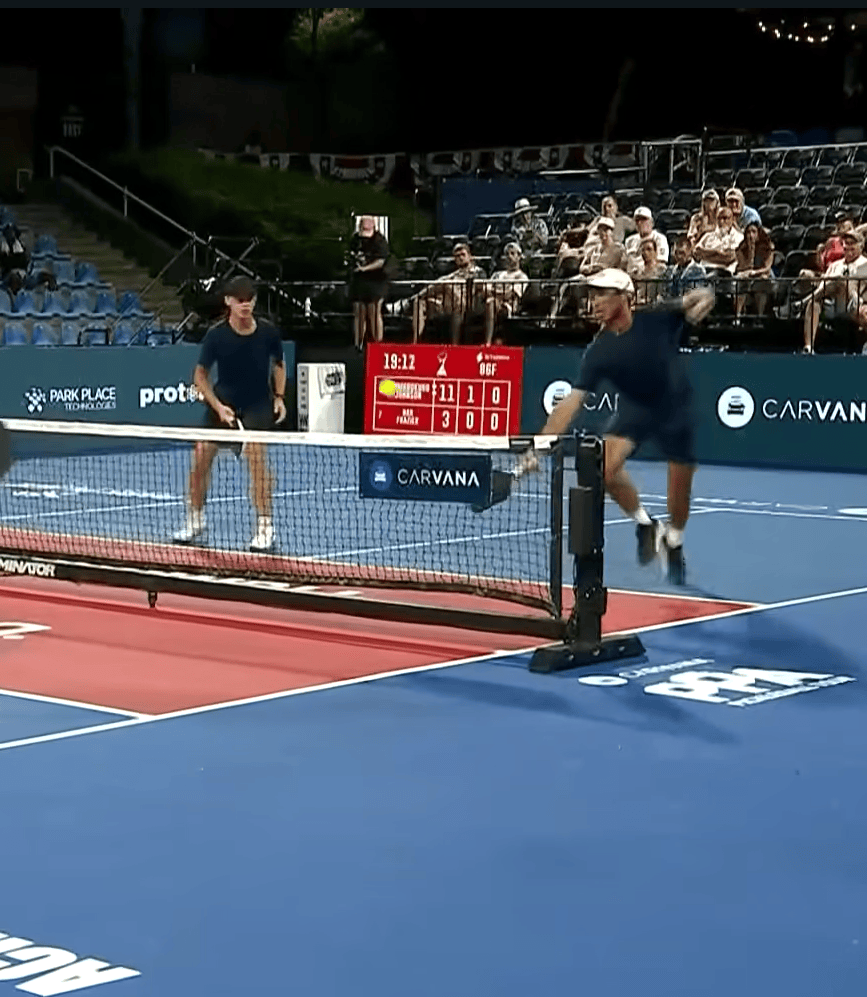
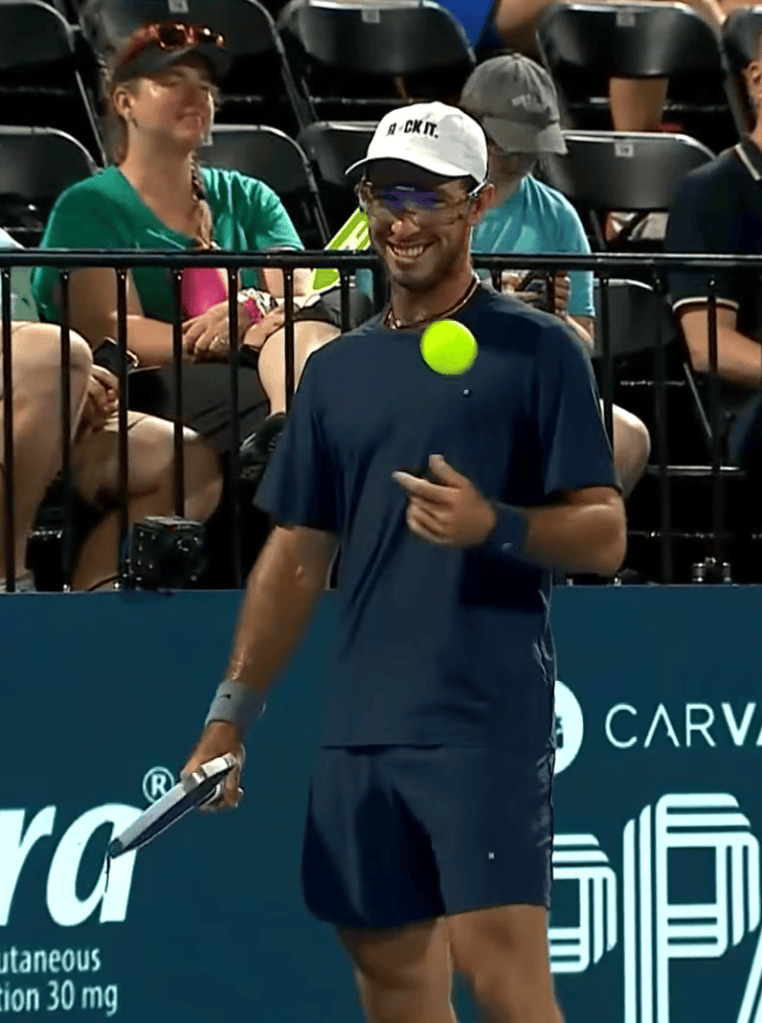
When an elite veteran pairs with a creative, trick-heavy talent who boasts pristine transition mechanics, it creates a feedback loop of confidence. JW smiles because he no longer has to grind through predictable patterns; he has found a partner who matches his wavelength, elevating the game from mechanical execution to pure expression.
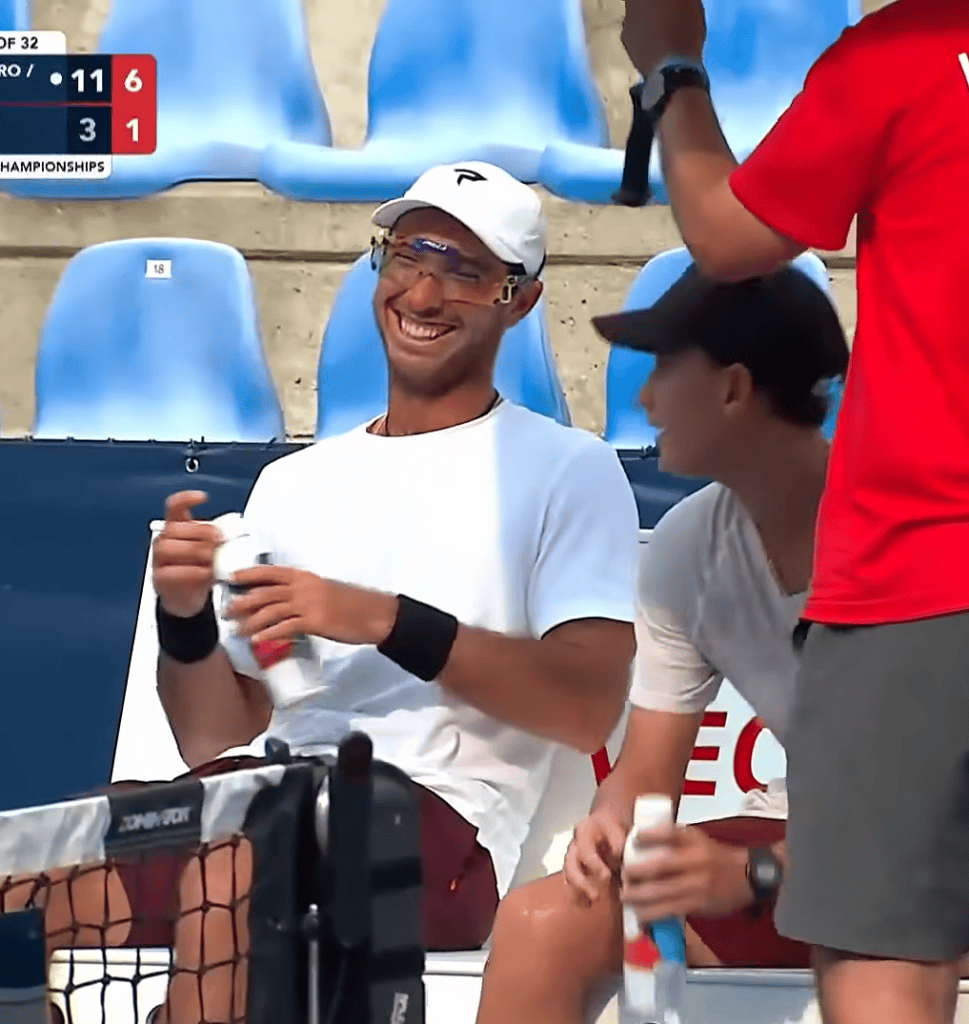
Dismantling the Seed #1
Gabriel Tardio relies on predictable cross-court rhythms to anchor the right side; Tama’s zero-backswing speed-ups bypass that foundational timing entirely.
Ben Johns excels at building advantages through surgical patience, but unreadable, compressed forearm-driven micro-twists deny him the setup time required to execute his systematic game plan.
By transforming low-probability trick shots into high-frequency execution, they force top-tier teams out of their structural comfort zone and into reactive scramble mode.
The Future Strategic Realignment
Looking ahead, if Tama and JW successfully redefine the meta and dismantle current defensive paradigms, it could trigger a massive tactical pivot at the highest level:
- Ben Johns Acquiring Tama: By as early as 2028, when Tama matures into a dominant tour presence, Ben may recognize that the only way to neutralize this biomechanical disruption is to absorb it. Partnering with Tama would allow Ben to pair his world-class, analytical anchor play with the tour’s most unreadable, torque-driven engine.
- The Ultimate Meta Co-opt: Just as top-tier franchises recruit generational disruptors to stay at the summit, Ben bringing Tama into his orbit would combine classical, geometric mastery with street-derived kinetic chaos, creating an virtually unbeatable partnership for the next era of the sport.
The Post-match Interview
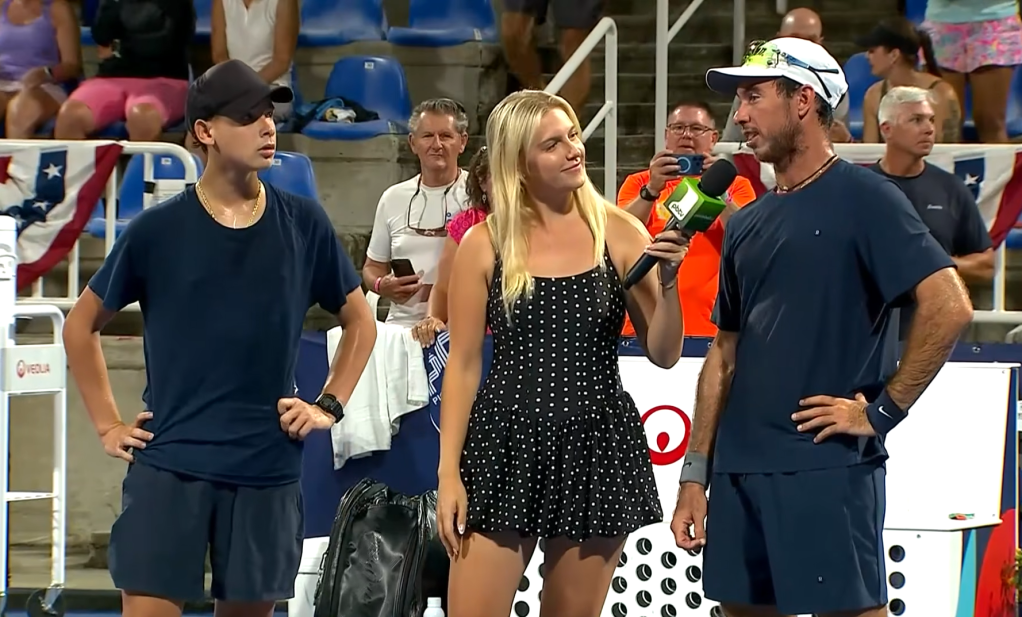
JW talks about why he made the call to team up with Tama:
“Obviously he’s very tricky, very good, and pretty young so he can only get better, so I’m super excited to be teaming up with him.”
And Tama hits the nail on the head:
“His hands are insane and I’m not used to the right, so I couldn’t ask for a better left side guy to start the right with.”


Leave a Reply